Growing the next Generation
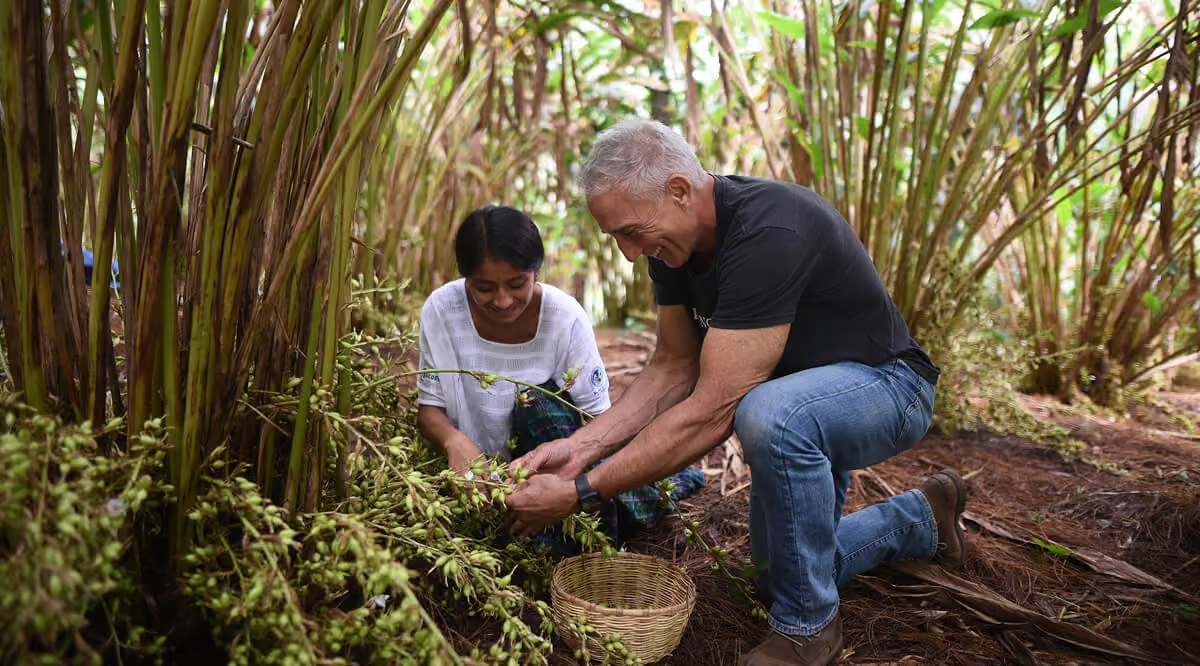
Investing in future farmers to help keep American farmland growing for generations to come.
$922,100
raised to date

24
young farmers impacted


Whole Foods Market and the National Young Farmers Coalition will match contributions up to $500,000 through the Next Generation Farmer Fund, with a goal of mobilizing $1 million in 2026.
The future farmer perspective
Hear from two Whole Foods Market suppliers about their journey and the future they're helping cultivate.
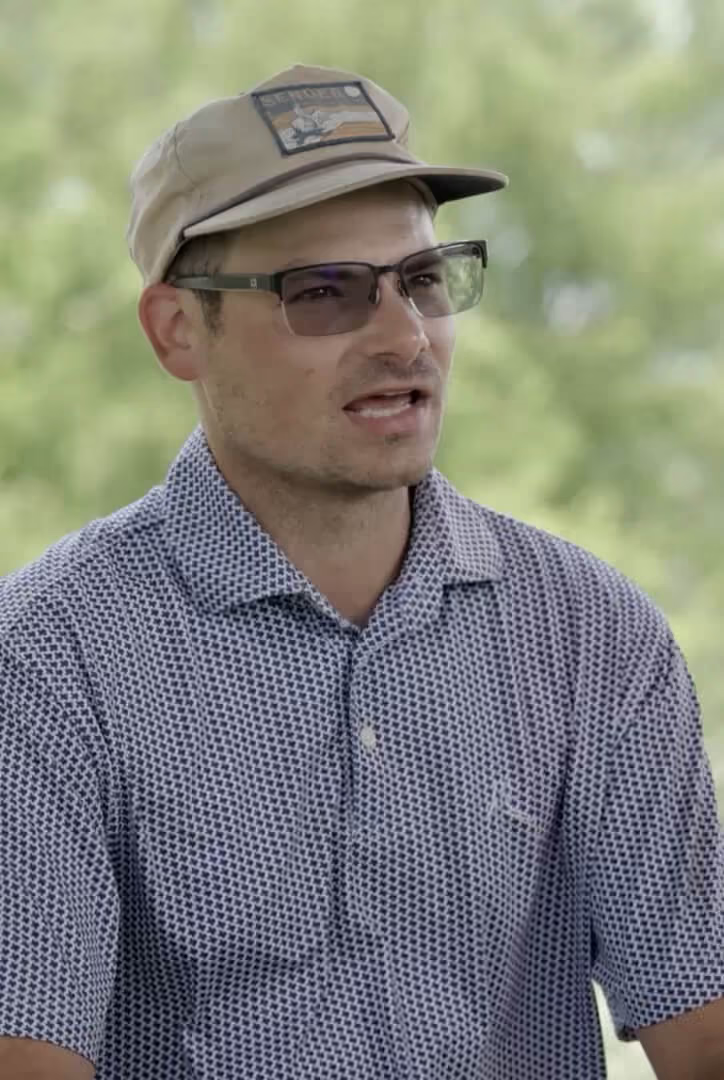
Cody R. Brown
Small Farmers Academy

Our Higher Purpose: Nourishing People and the Planet
Creating a more sustainable food system requires progress across every part of our business. This is how we're working to make it happen.
575+ ingredients banned*
across standards for food, supplements, body care and household cleaning products
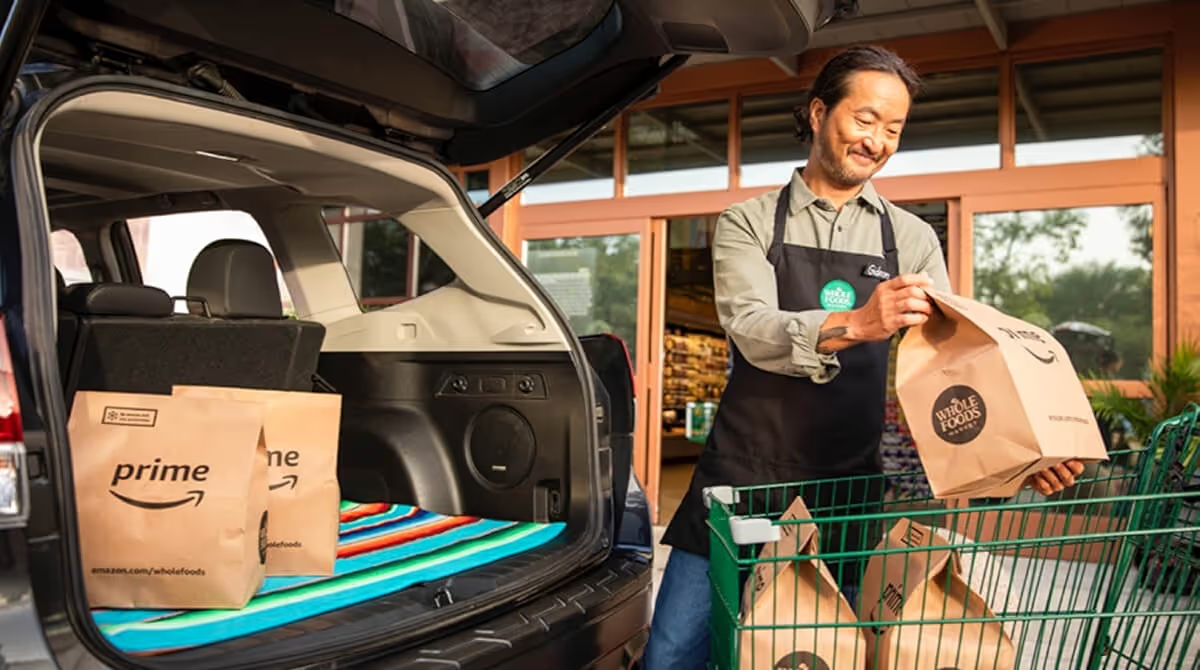
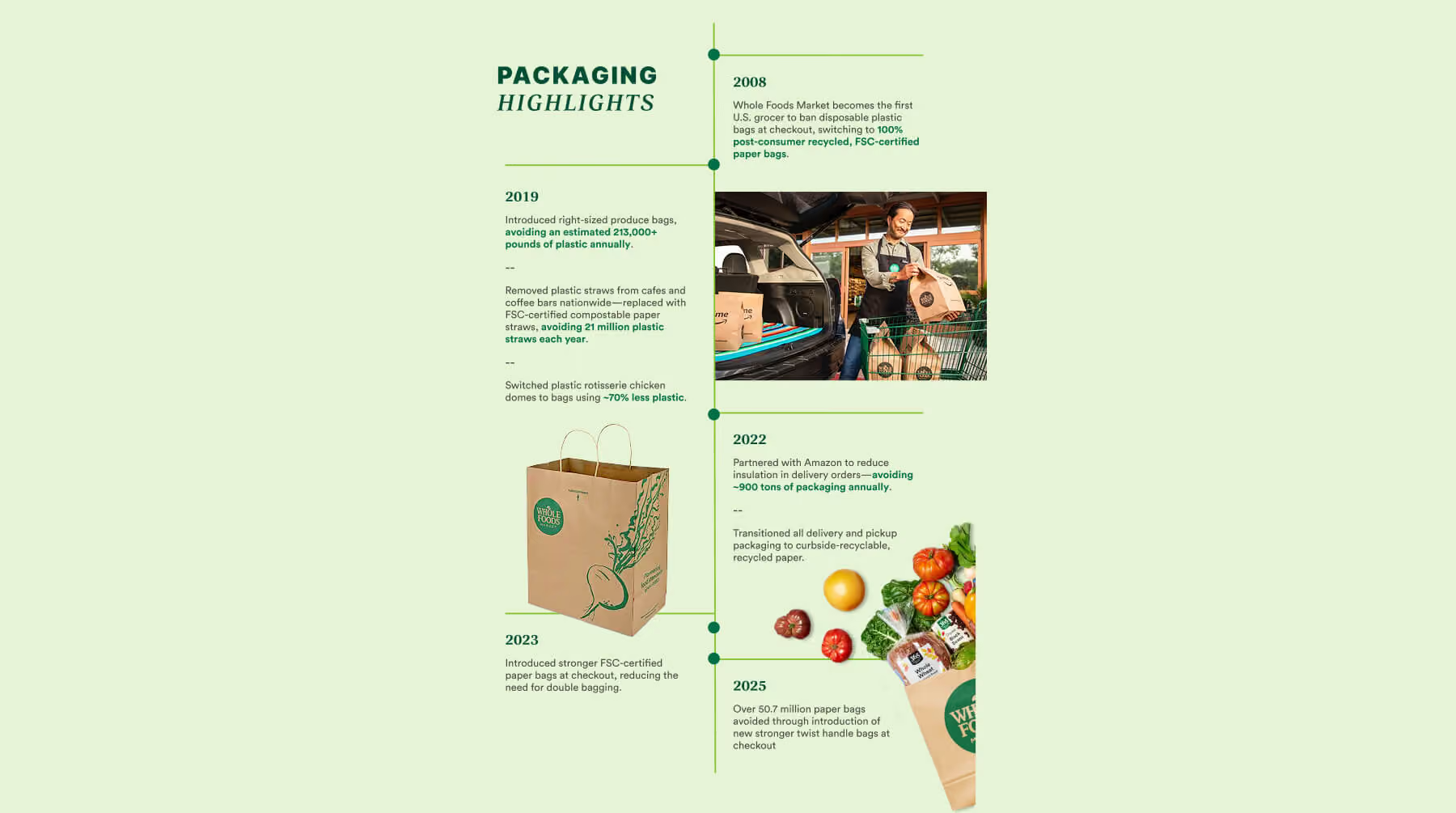
51 million paper bags
avoided at checkout by introducing stronger twist-handle bags that reduce the need for double bagging
Over 34%
of all products sold at Whole Foods Market were organic vs. an industry average of 4%
Over $13 million
advance food security, improve children's nutrition and strengthen resilient food system
More than 26 million meals
donated to food rescue and redistribution programs
*This total represents the count of unique ingredients that hold an unacceptable status across WFM ingredient standard categories, excluding any ingredient that carries an acceptable or restricted status in any category.
Sourcing
The standards are ours. The peace of mind is yours.
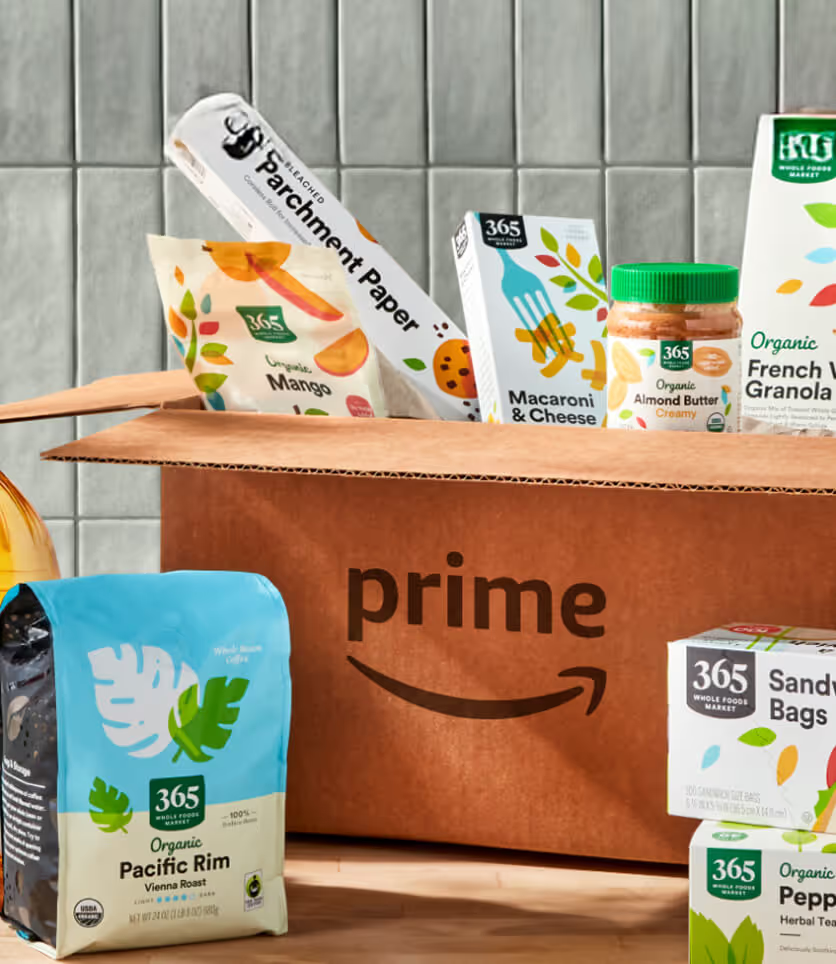
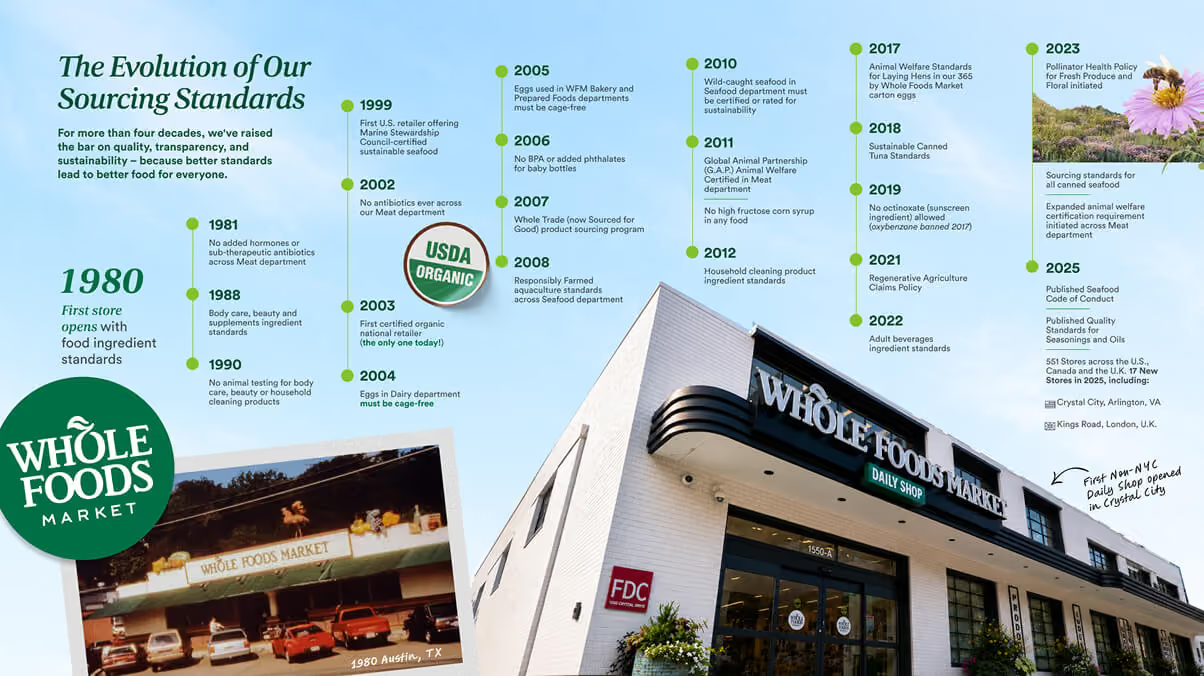
Our ingredient standards inform every decision about which products earn a place on our shelves. For over four decades, our team of experts has meticulously evaluated ingredients used in the food, beverages, supplements, body care and household cleaning products we sell, assessing sourcing, safety, environmental impact and potential alternatives.
Explore six focus areas that trace the journey of our food — from where it comes from and how it's produced to the people and practices that help bring it to our shelves.
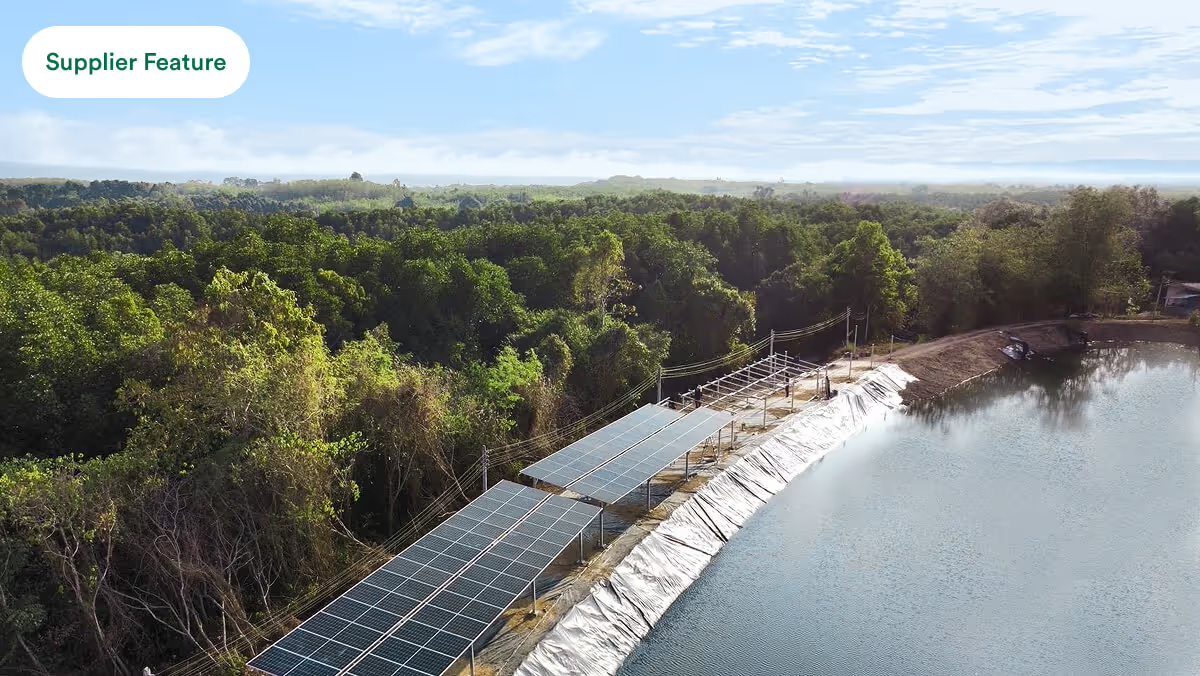
Every climate solution plays a role. From shrimp farms to grocery aisles, these projects represent our commitment to reduce impact and inspire change—one collaboration, one pilot, one innovation at a time.
Climate action takes many forms. These stories show how small shifts—on farms, in stores, and across our communities—can lead to meaningful momentum.
Ingredient Standards
Which products earn a place on our shelves and why.
Learn more
Organic and Regenerative Agriculture
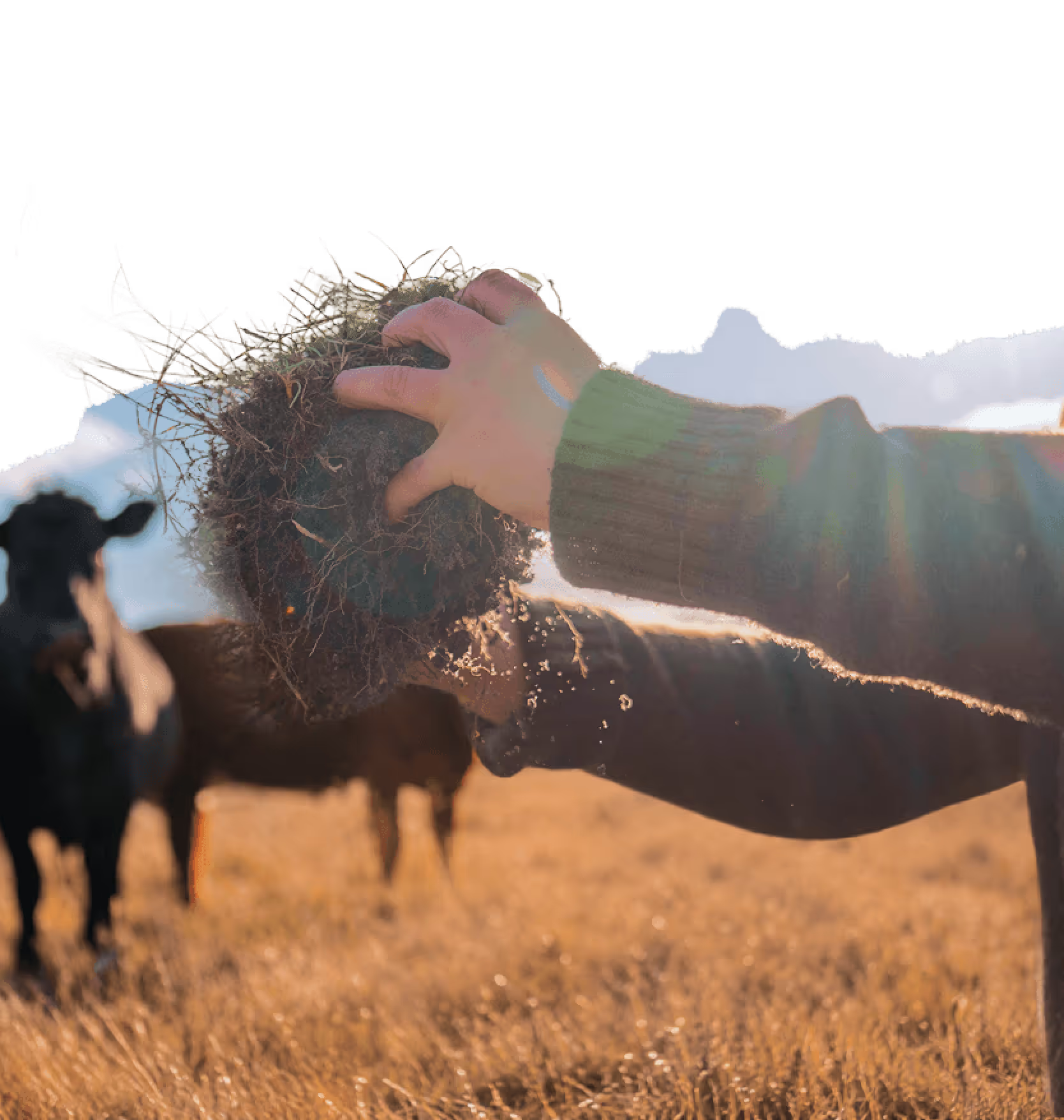
The standards, certifications and practices shaping our approach.
Learn more

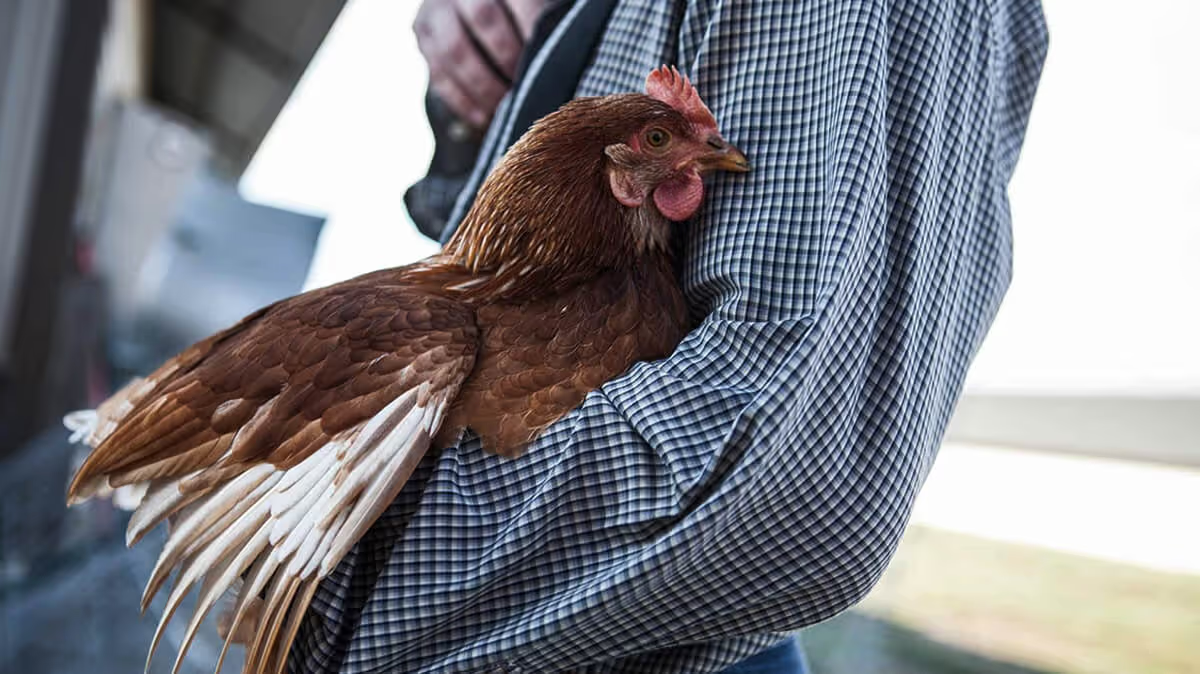
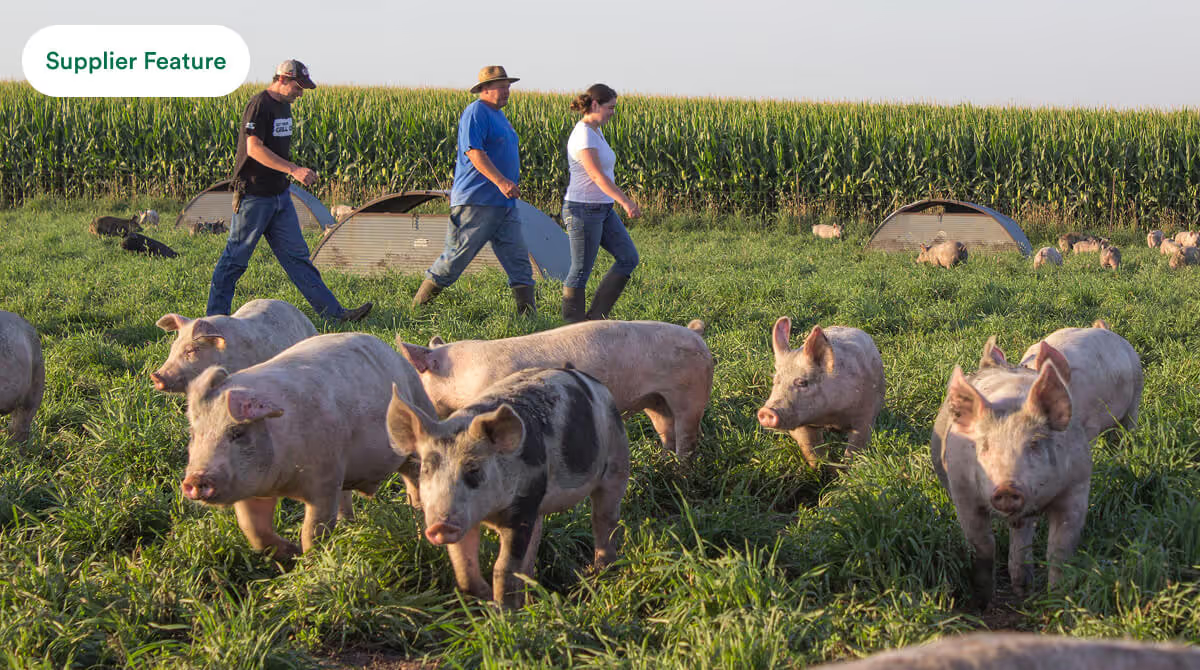
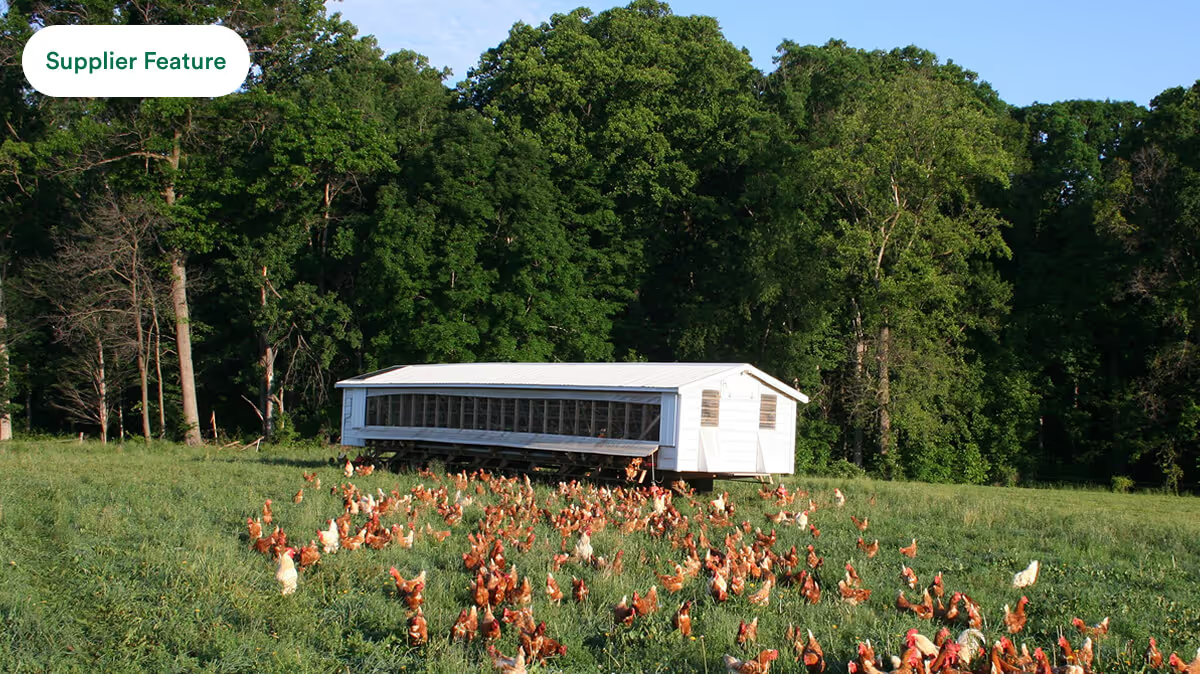
Animal Welfare
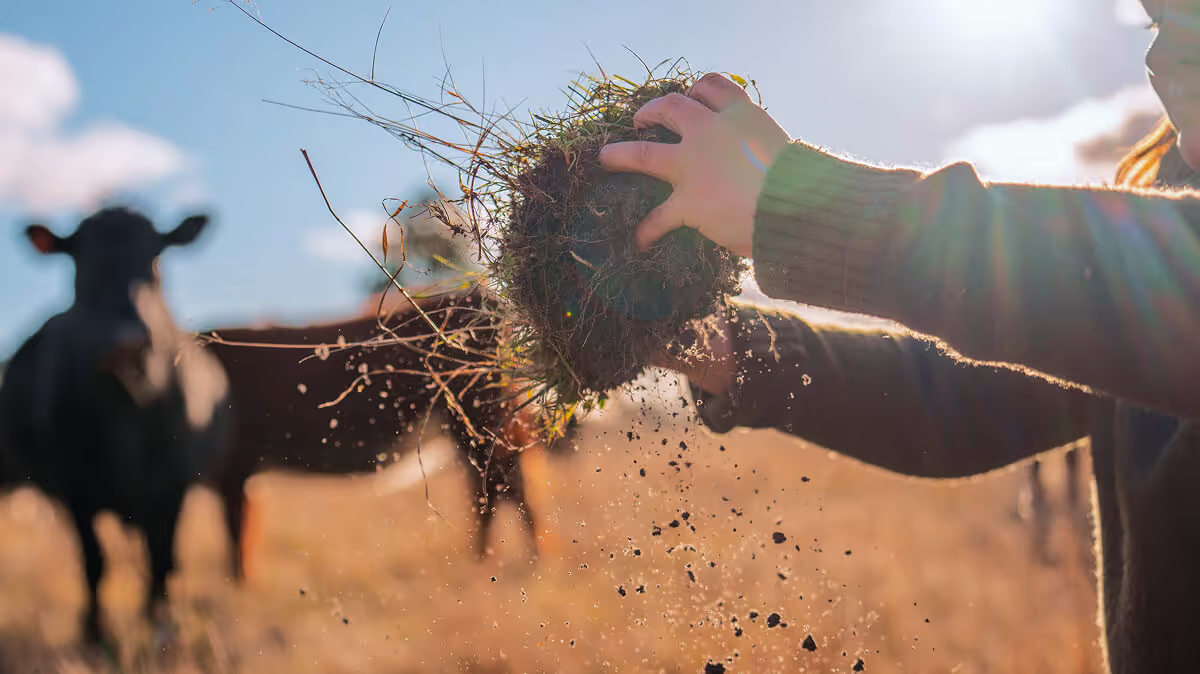
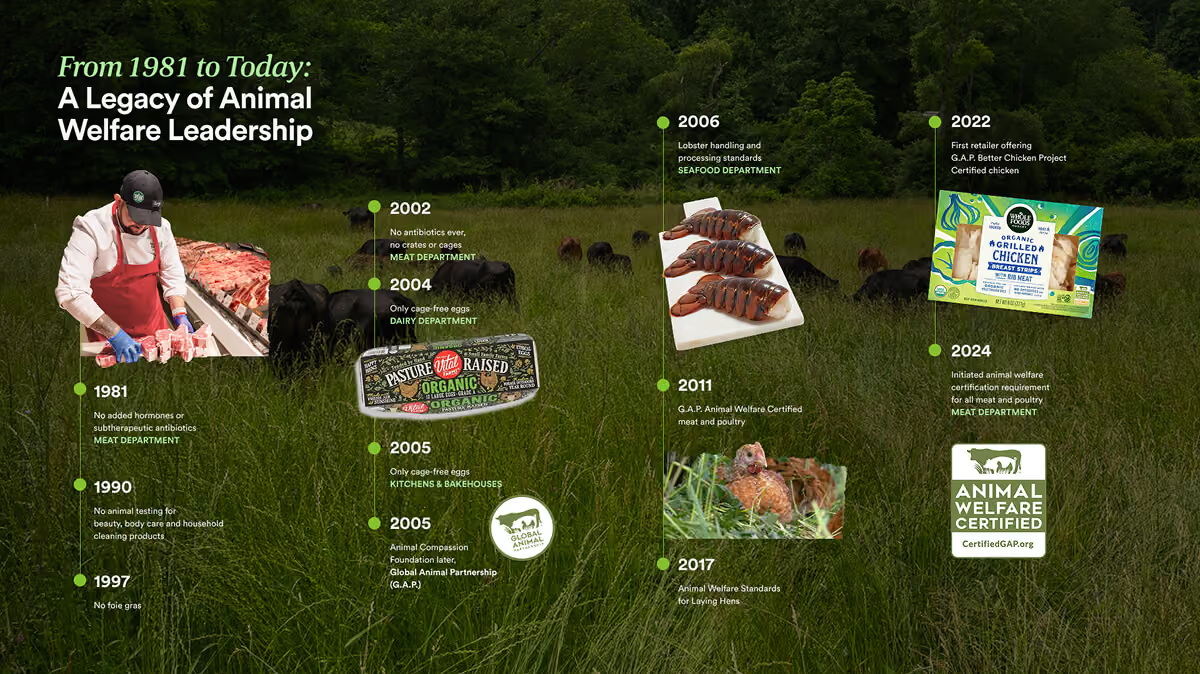
Helping support higher standards of care for farm animals.
Learn more
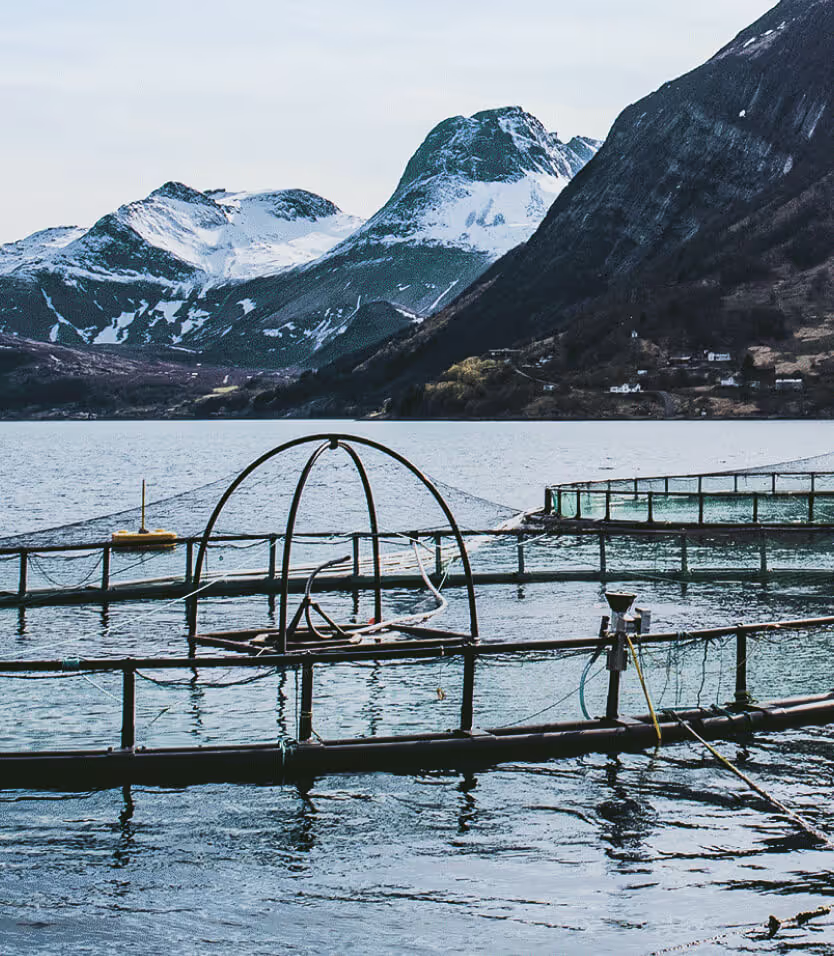
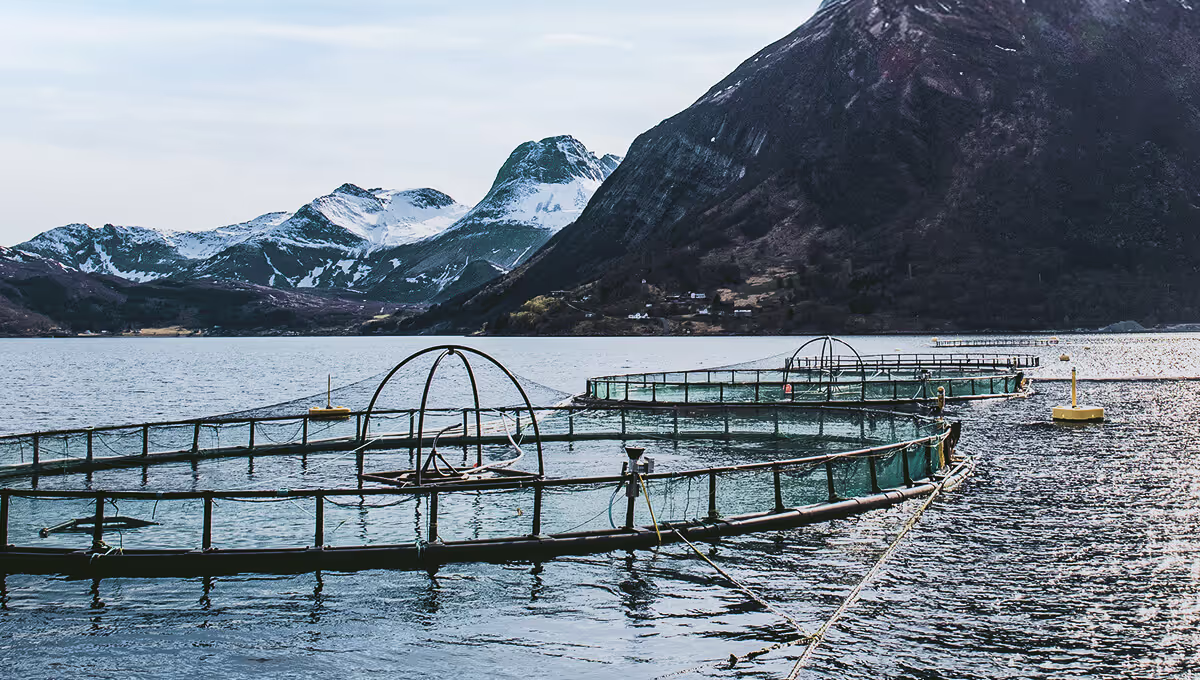
Sustainable Seafood Standards
Our practices that help support healthy fisheries and thriving oceans.
Learn more
Sourced for Good
How products earn the Sourced for Good seal and the impact behind it.
Learn more
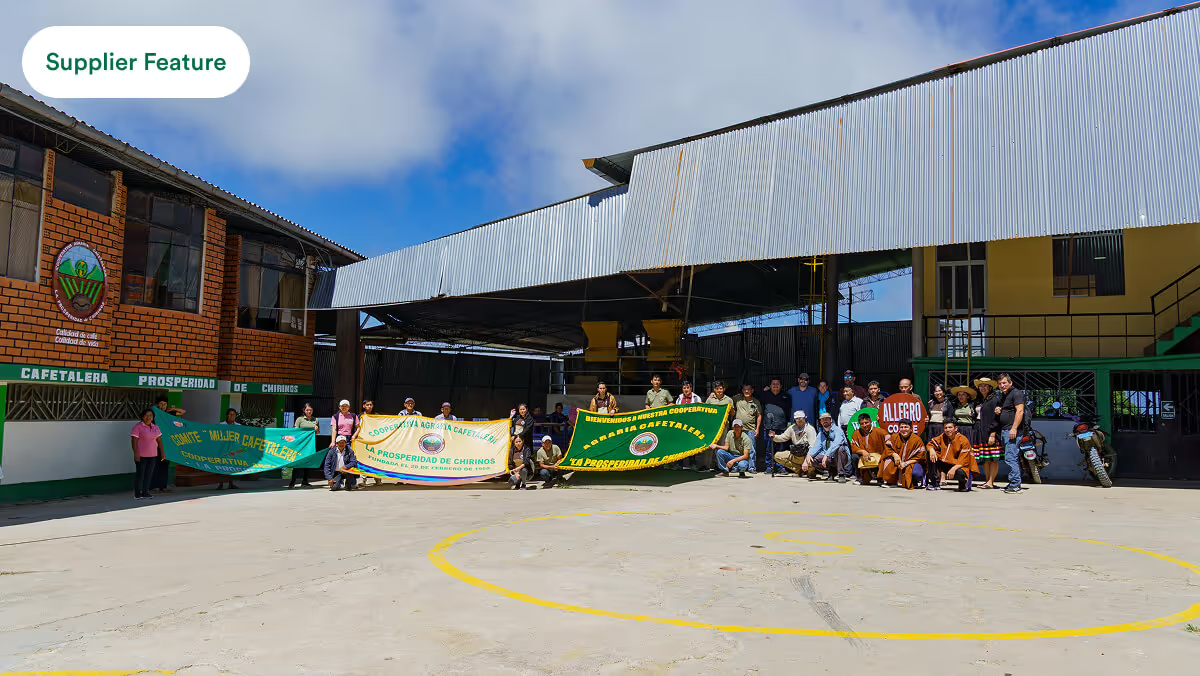
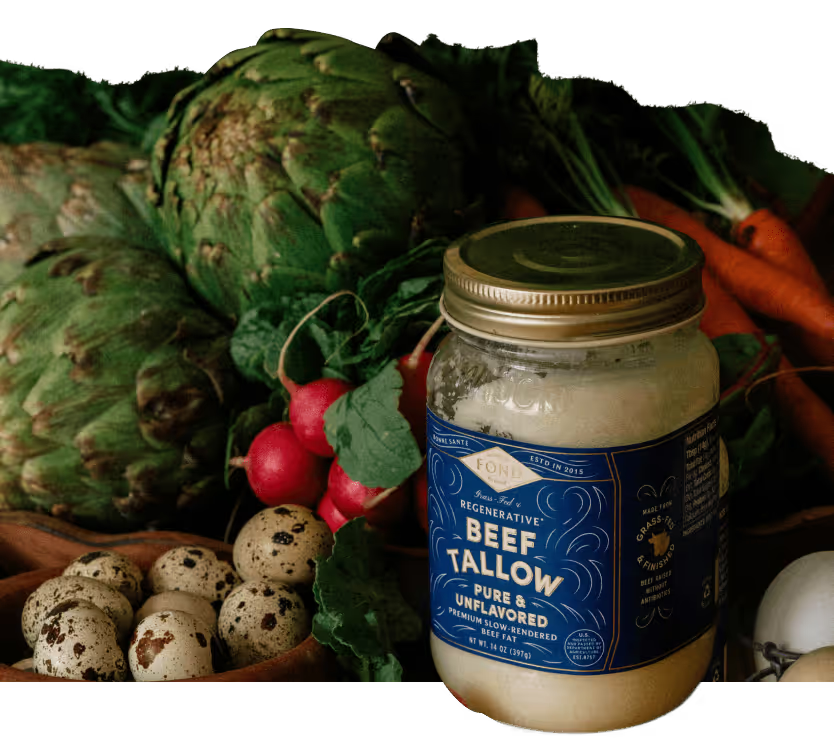
Local and Emerging Brands
Supporting the entrepreneurs shaping what's next in food.
Learn more


Changing the System, Supporting the Climate
Climate
From soil to shelf, every decision matters.
Creating a more sustainable food system requires action across every stage of the value chain. Our climate efforts focus on reducing greenhouse gas emissions, supporting biodiversity and conserving water resources.
Every climate solution plays a role. From shrimp farms to grocery aisles, these projects represent our commitment to reduce impact and inspire change—one collaboration, one pilot, one innovation at a time.
Climate action takes many forms. These stories show how small shifts—on farms, in stores, and across our communities—can lead to meaningful momentum.
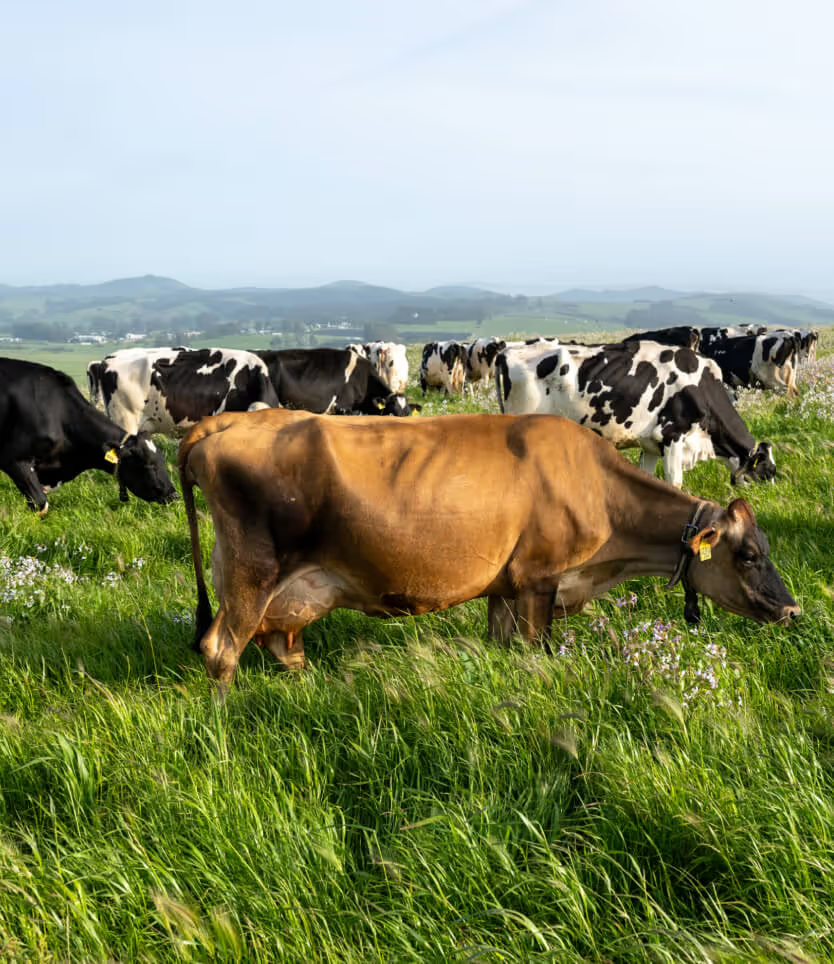
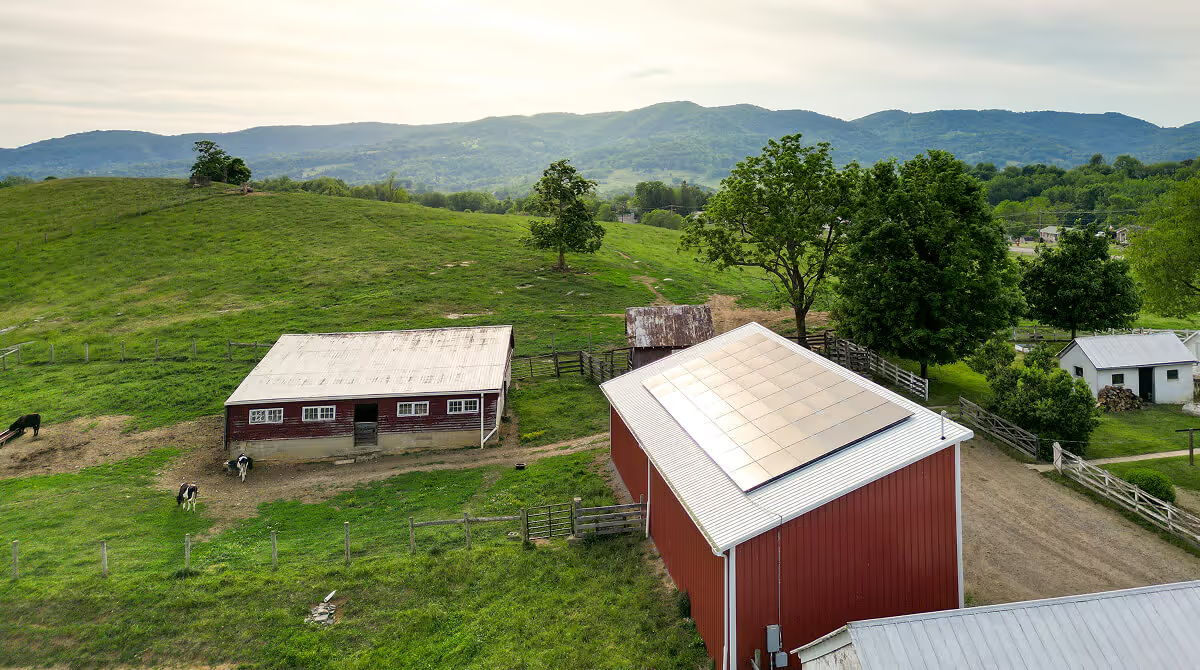
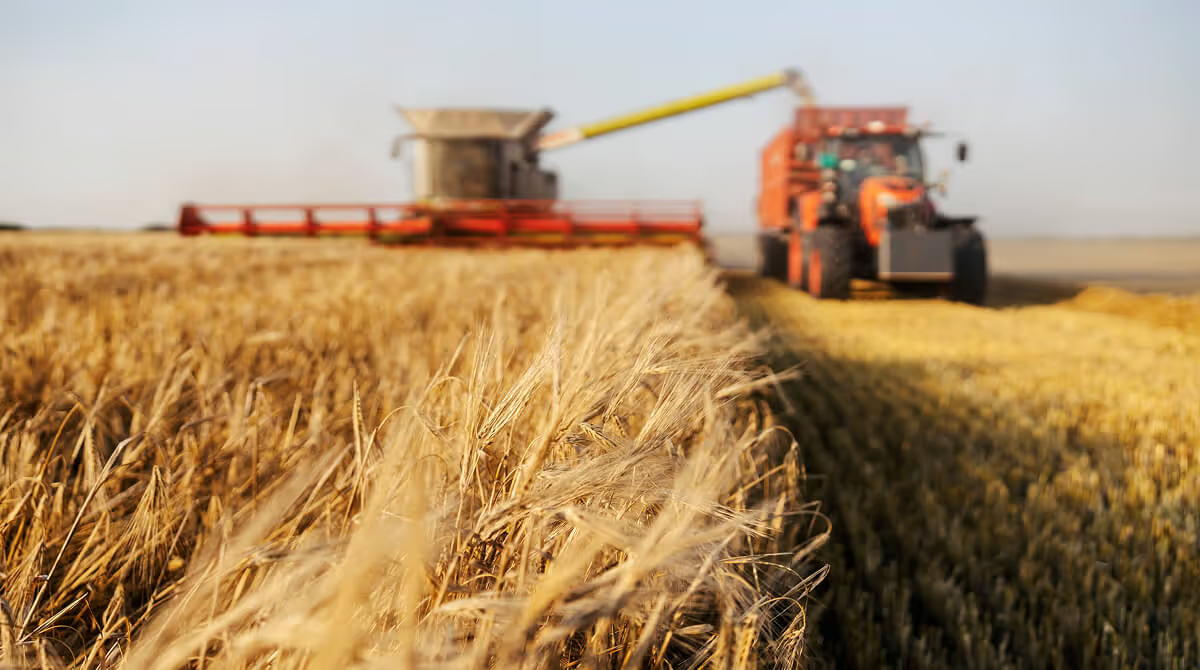
Greenhouse Gas Reductions
Helping advance climate-smart solutions across our value chain.
Learn more
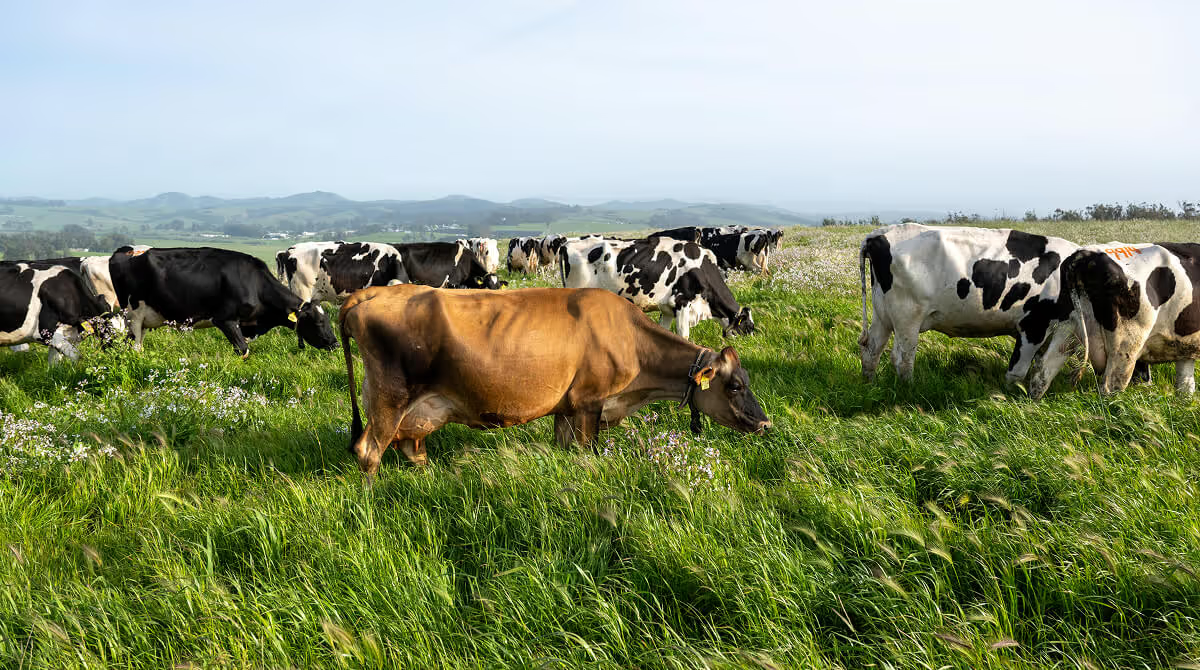

Biodiversity
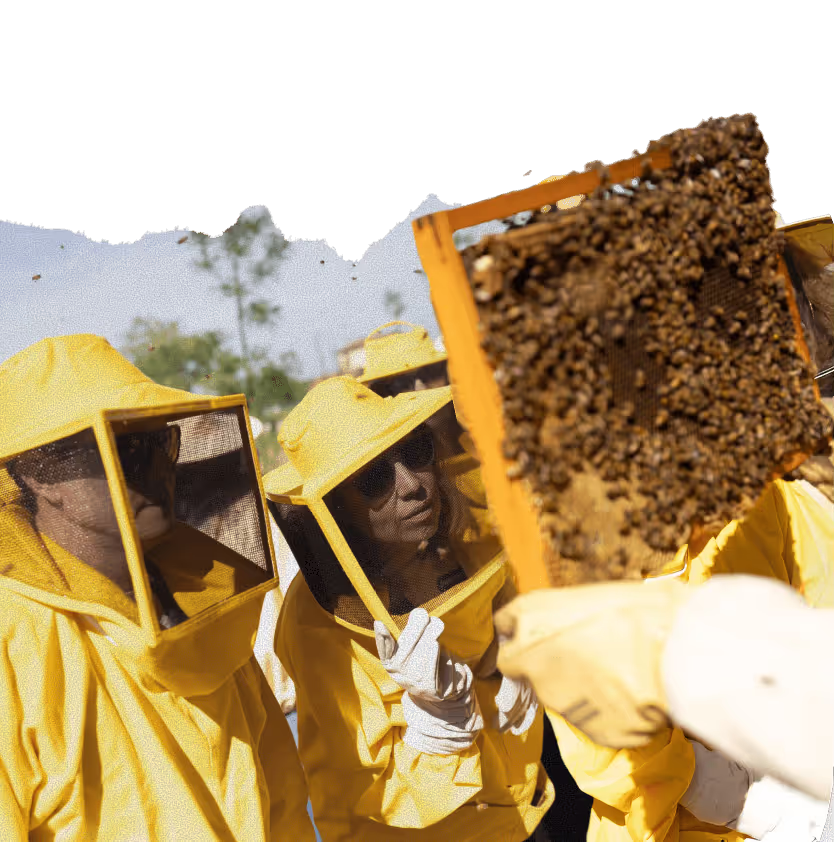
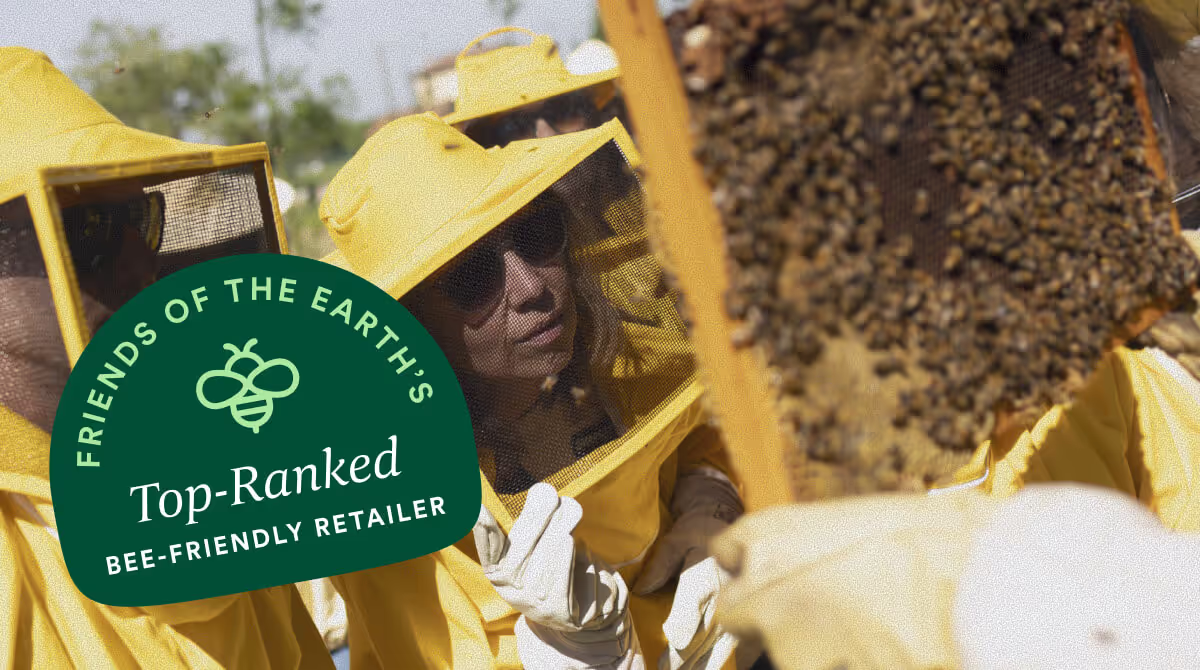
Supporting habitats for pollinators, wildlife and food production.
Learn more
















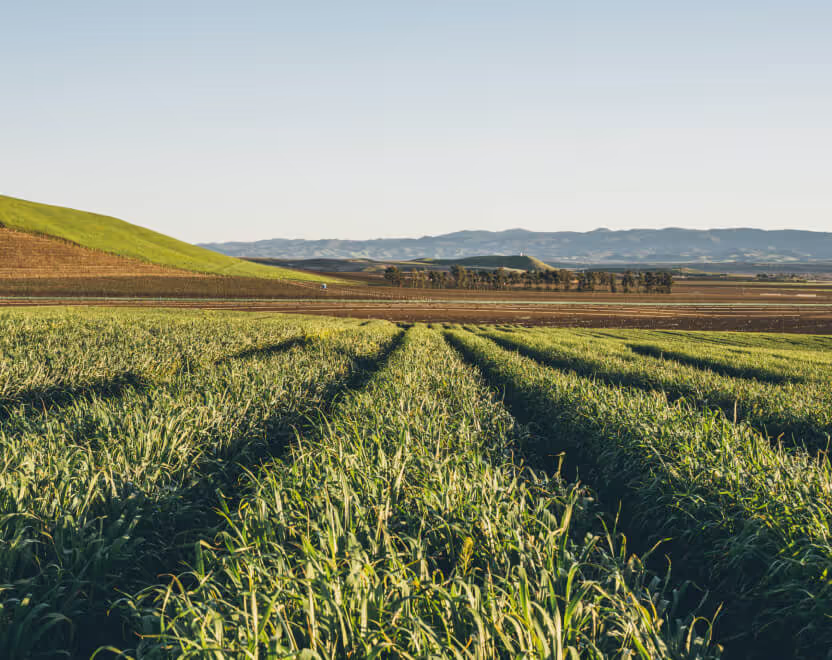
Water Stewardship
Working to safeguard one of our most essential resources.
Learn more
Lowering our Operational Footprint
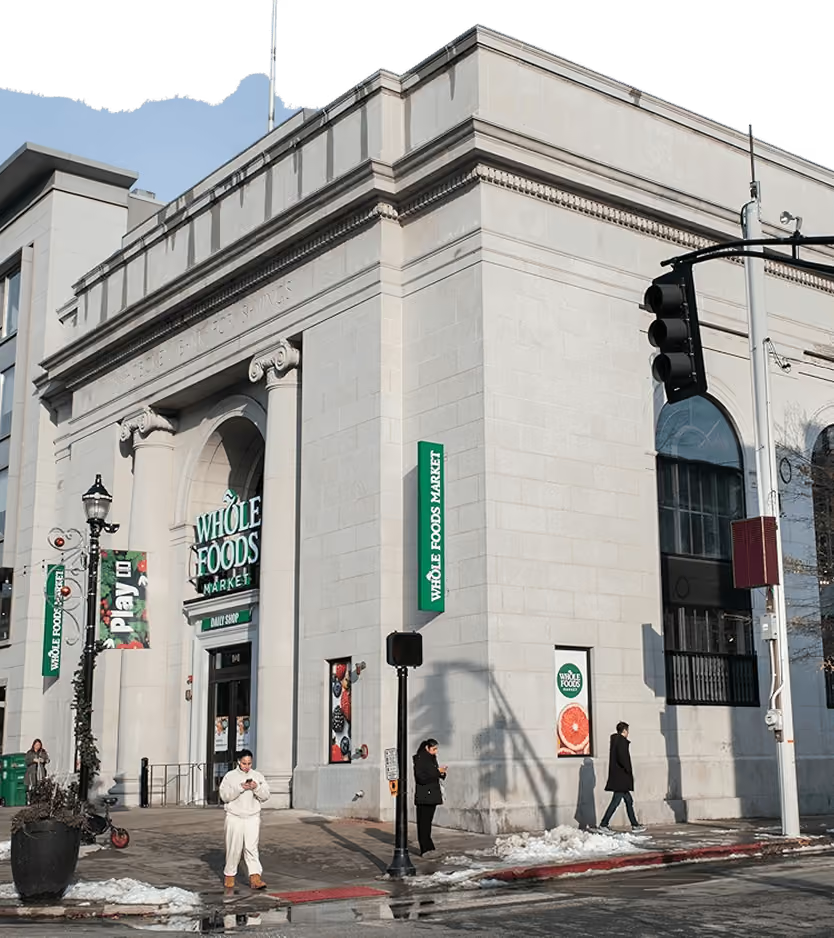
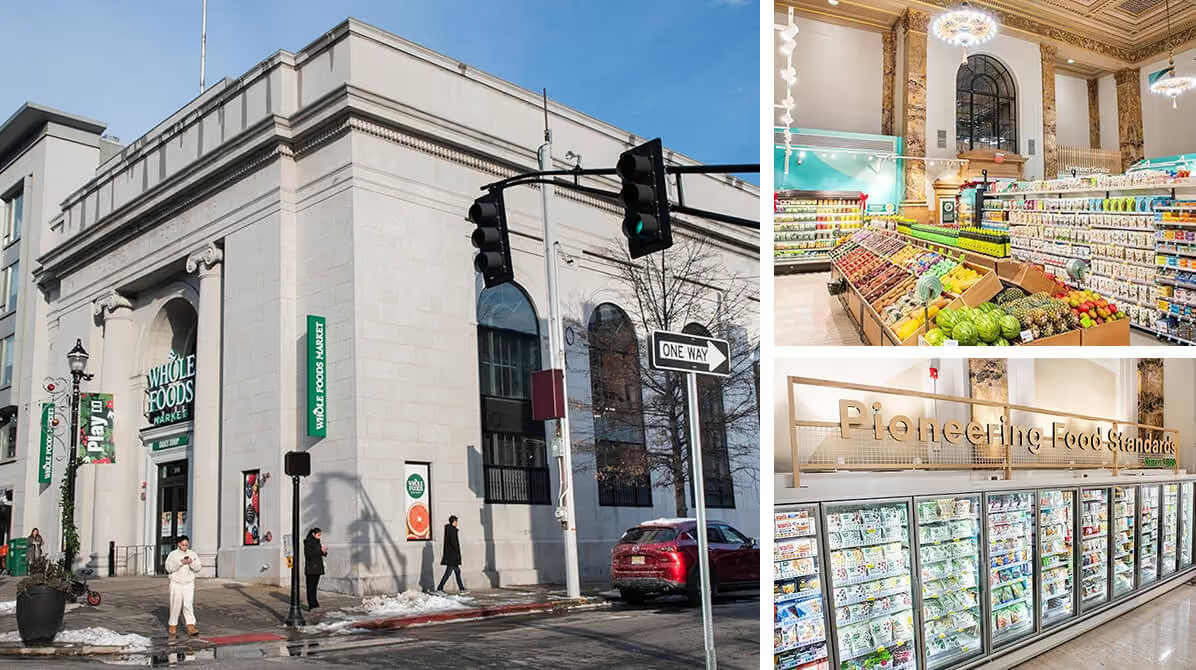
Reducing emissions and improving efficiency across our operations.
Learn more
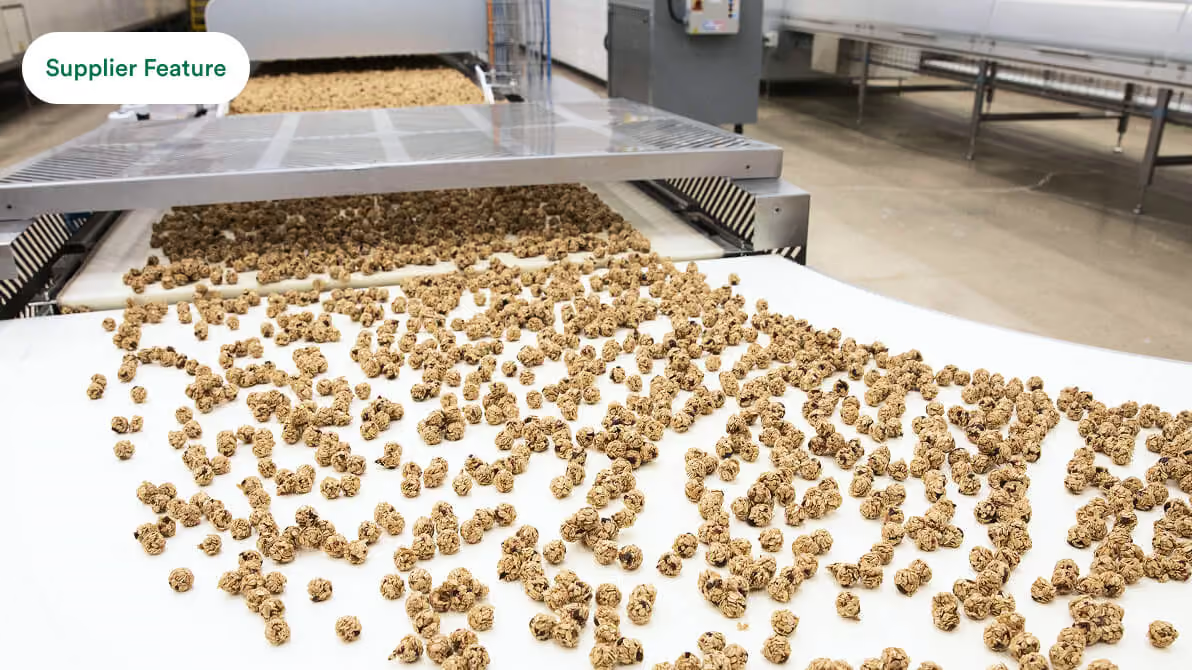
Opportunity Belongs at every Table
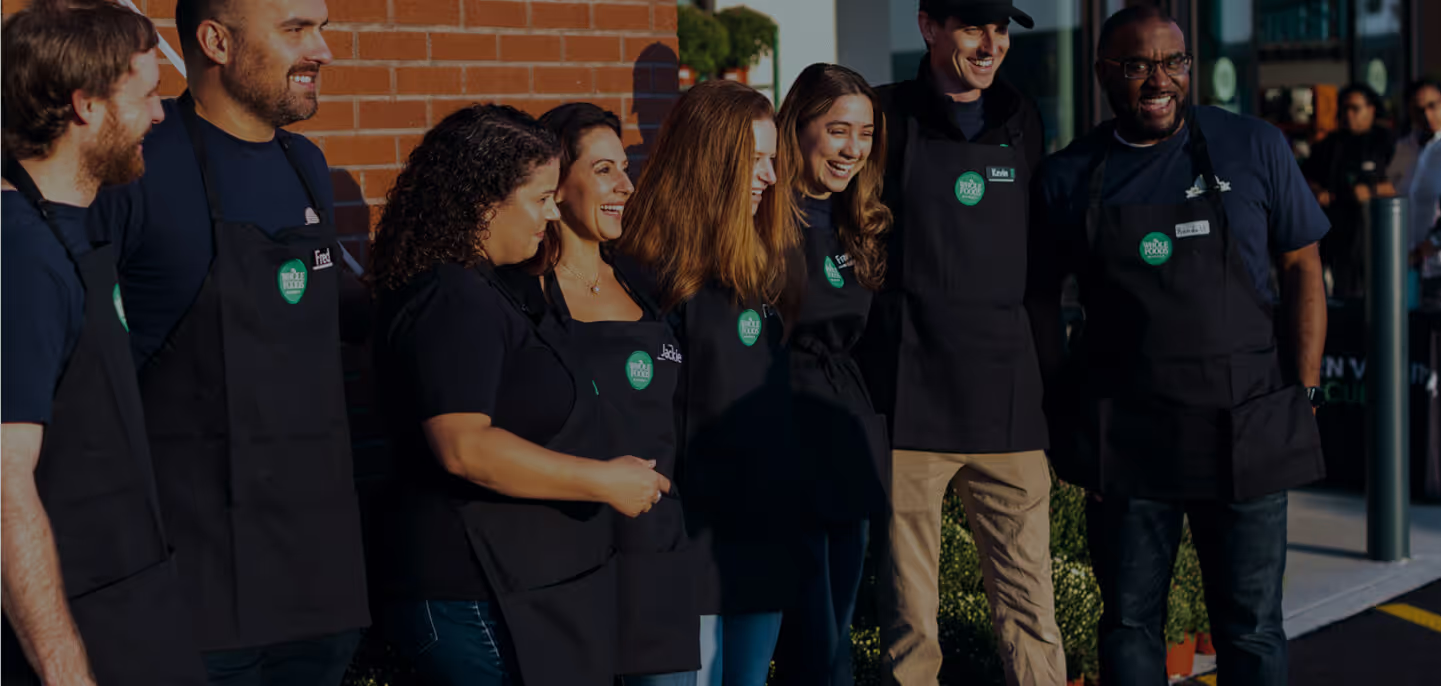
People
When communities
thrive, we all thrive.
thrive, we all thrive.
Food has the power to nourish more than what's on the plate. Through partnerships, grants and community investments, we're working to help expand access, create opportunity and strengthen the communities we serve.
Every climate solution plays a role. From shrimp farms to grocery aisles, these projects represent our commitment to reduce impact and inspire change—one collaboration, one pilot, one innovation at a time.
Climate action takes many forms. These stories show how small shifts—on farms, in stores, and across our communities—can lead to meaningful momentum.
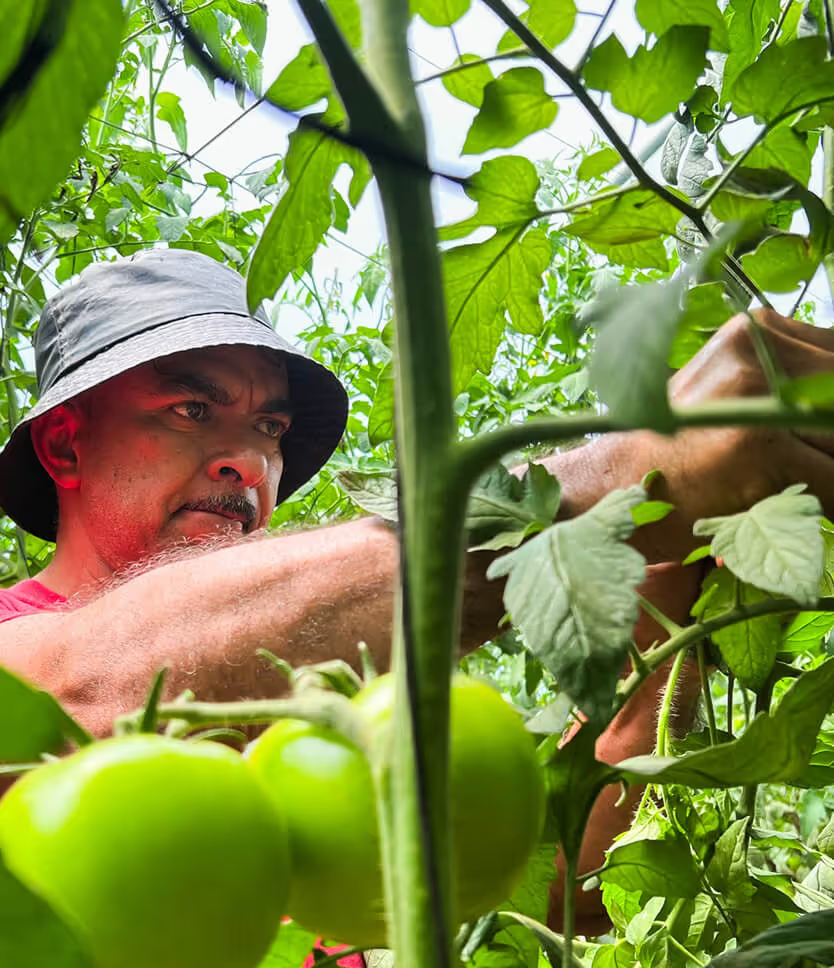
Expanding Financial Inclusion
Connecting farmers to tools, training and markets to help them grow.
Learn more
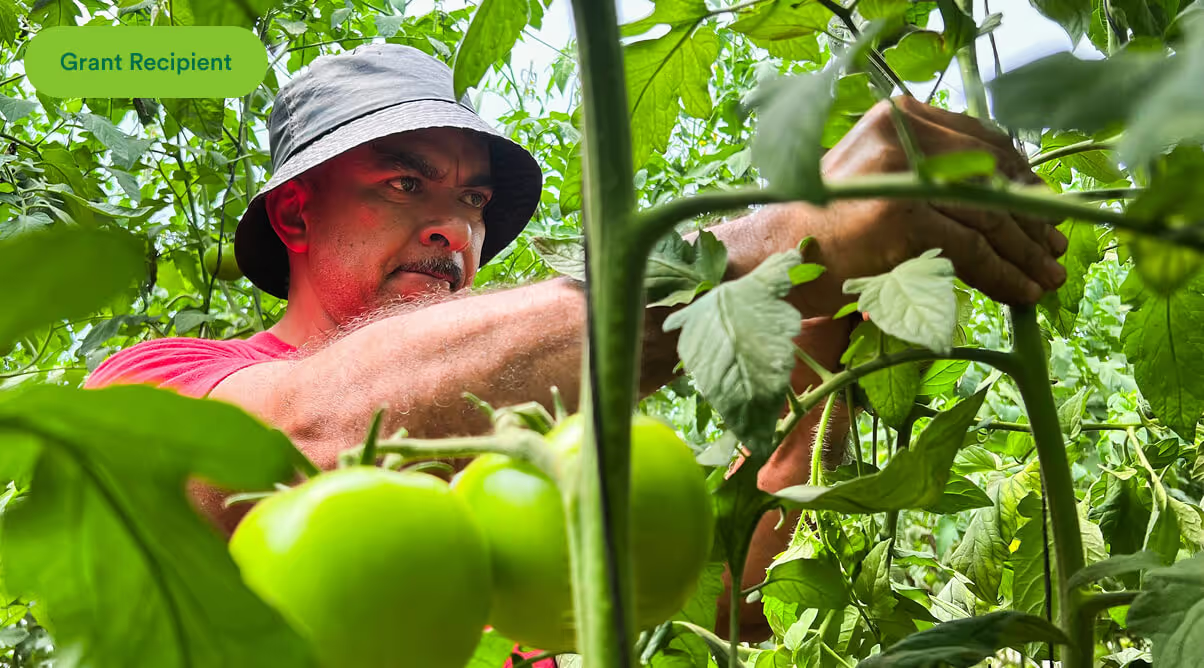
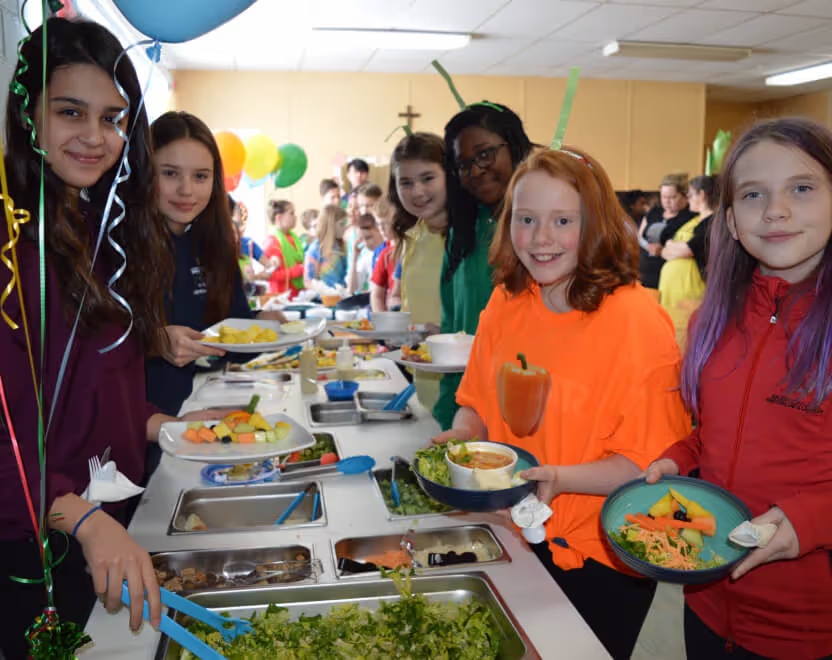
Improving Children’s Nutrition
Bringing food education, fresh meals and local food into schools.
Learn more

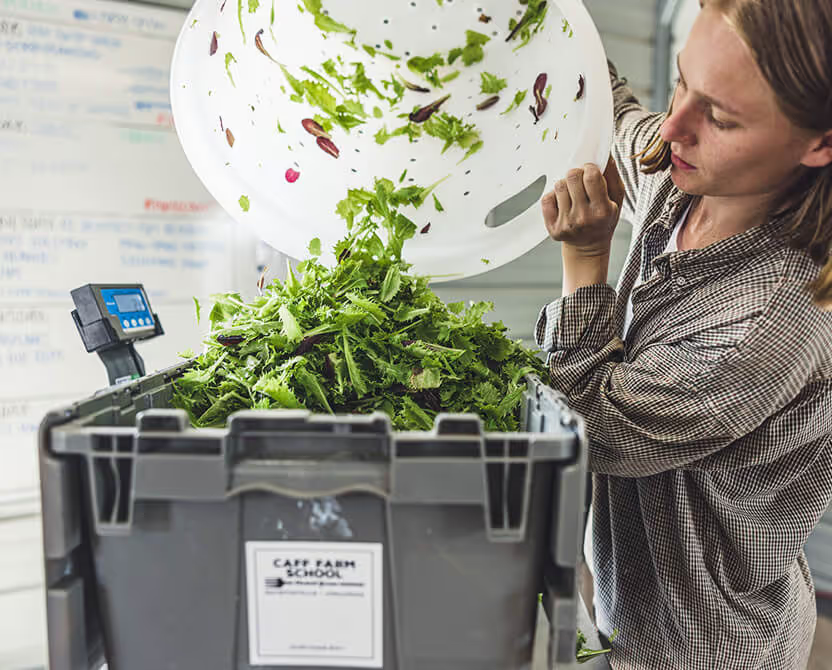
Expanding Healthy Food Access
Increasing access to fresh, nutritious food in underserved communities.
Learn more
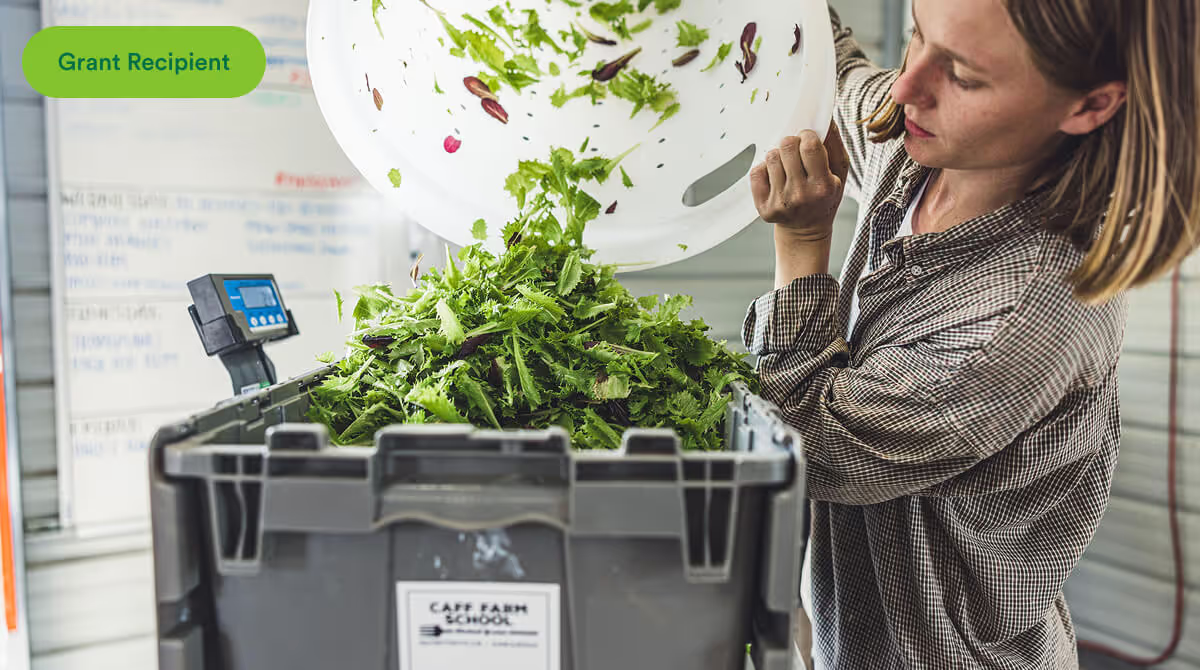
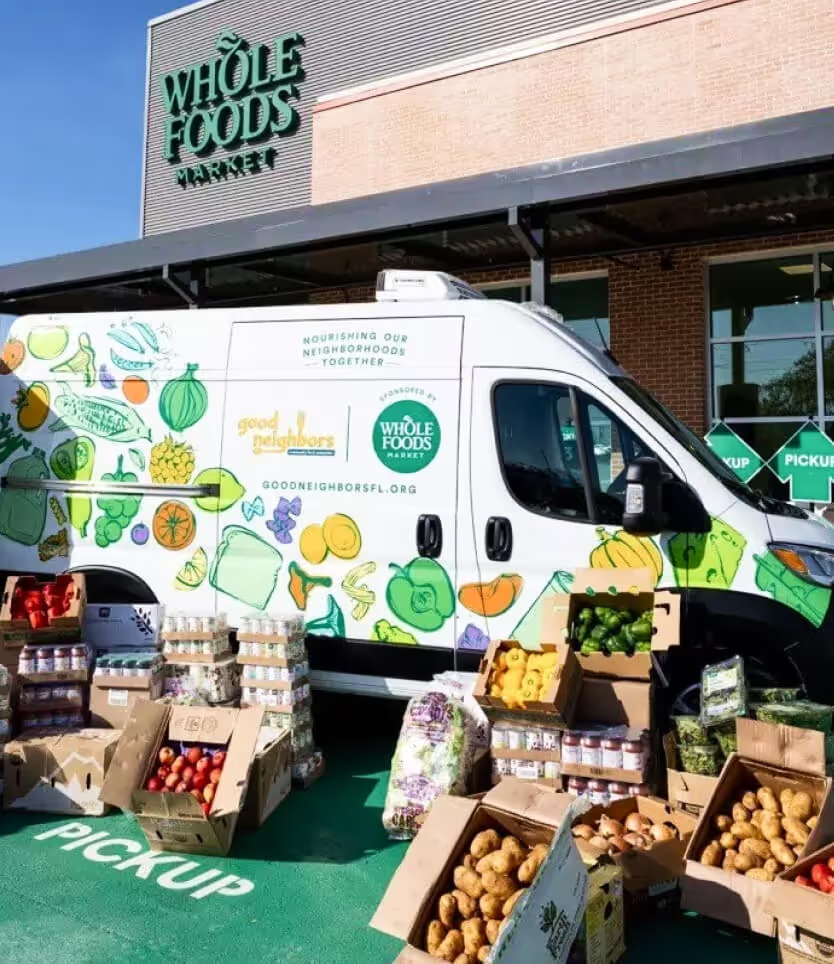
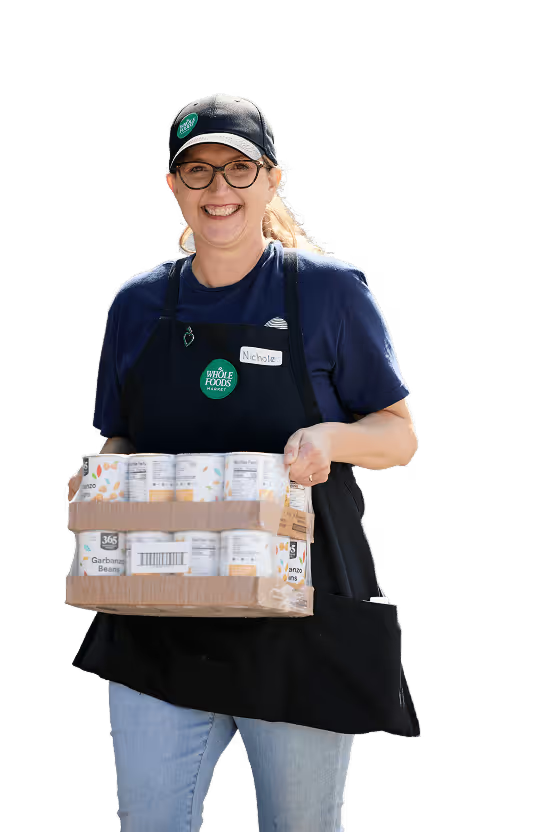
Creating Lasting Community Impact
Supporting communities through food access, disaster relief and local giving.
Learn more
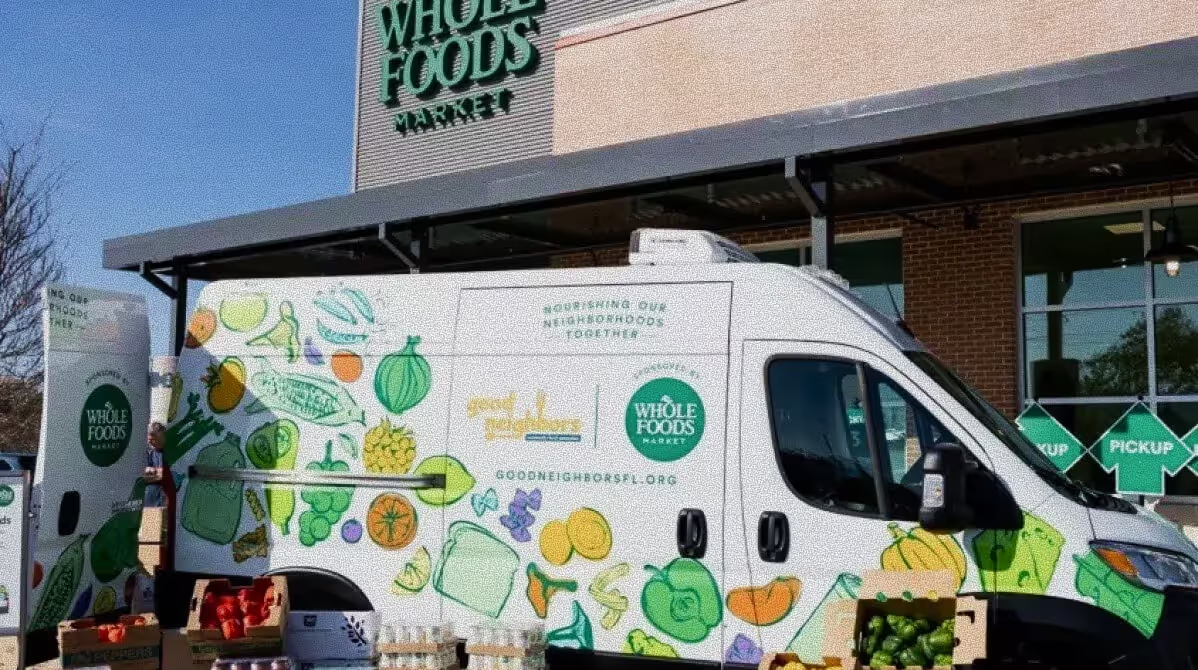
A Whole Future Creates less Waste
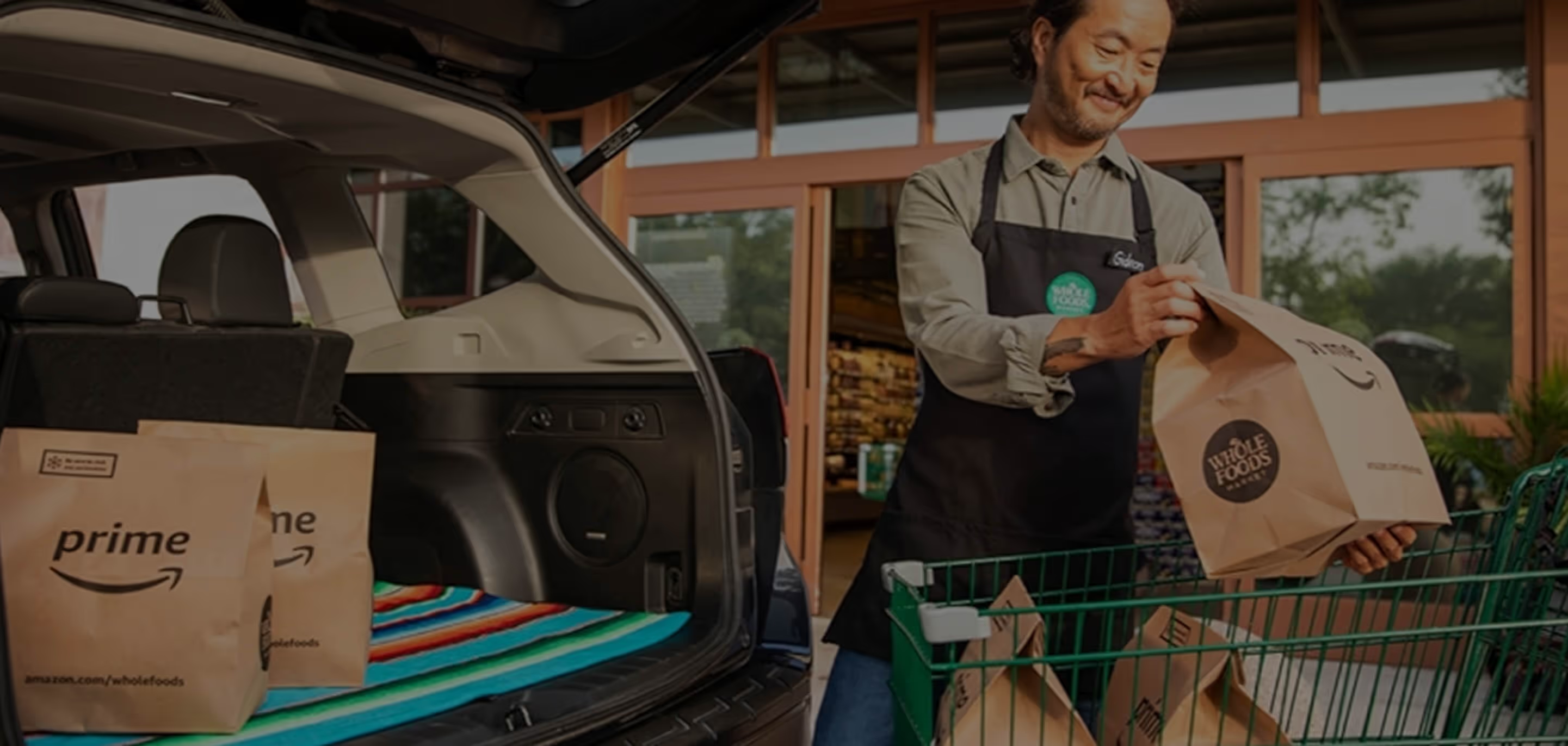
Waste & Packaging
Out of sight isn't
out of impact.
out of impact.
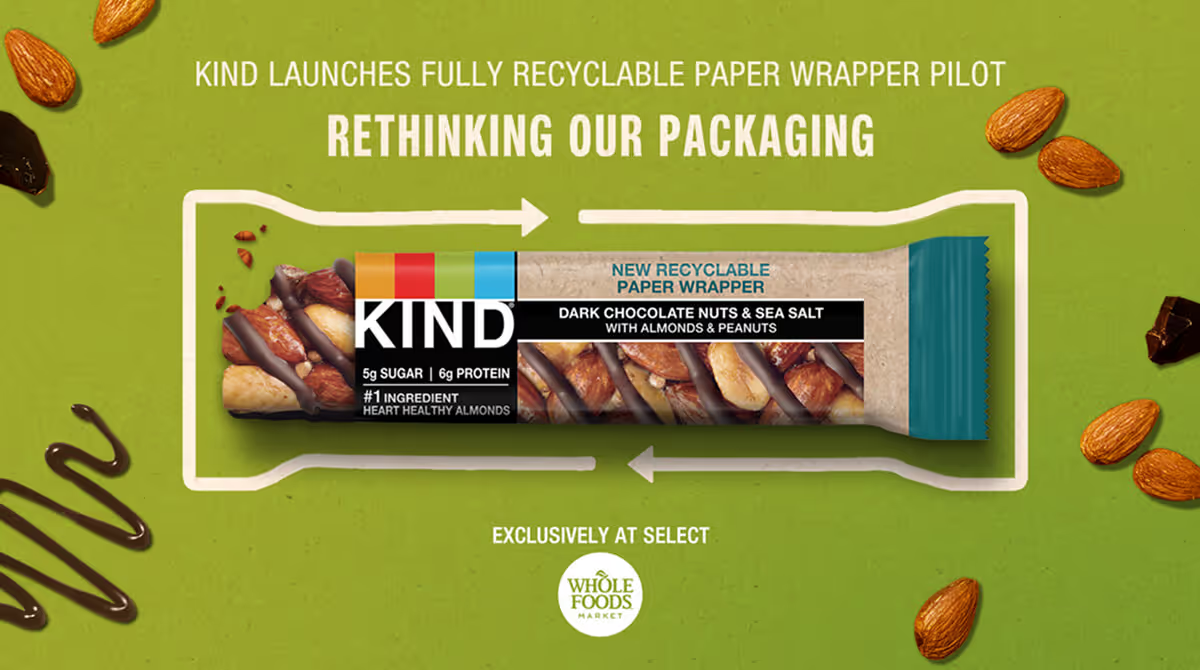
Packaging plays an important role in protecting products, reducing food waste and serving customers. Our work focuses on reducing unnecessary packaging, increasing recyclability and helping advance more circular solutions.
Every climate solution plays a role. From shrimp farms to grocery aisles, these projects represent our commitment to reduce impact and inspire change—one collaboration, one pilot, one innovation at a time.
Climate action takes many forms. These stories show how small shifts—on farms, in stores, and across our communities—can lead to meaningful momentum.
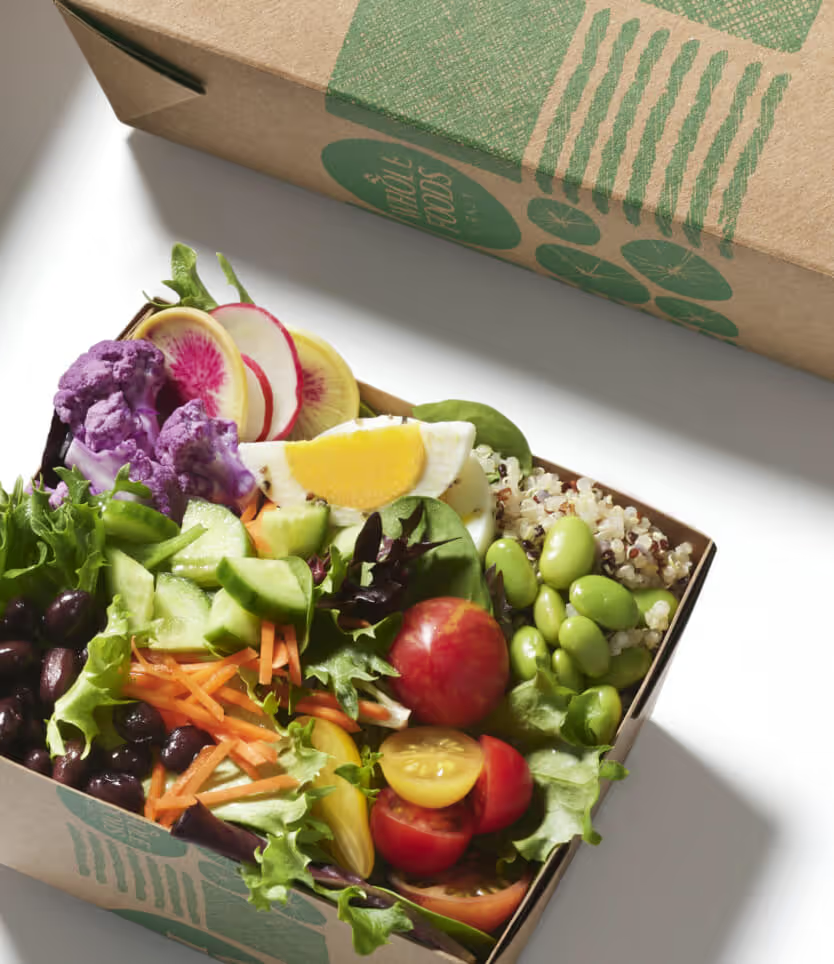
Packaging
Reducing waste through smarter packaging solutions.
Learn more
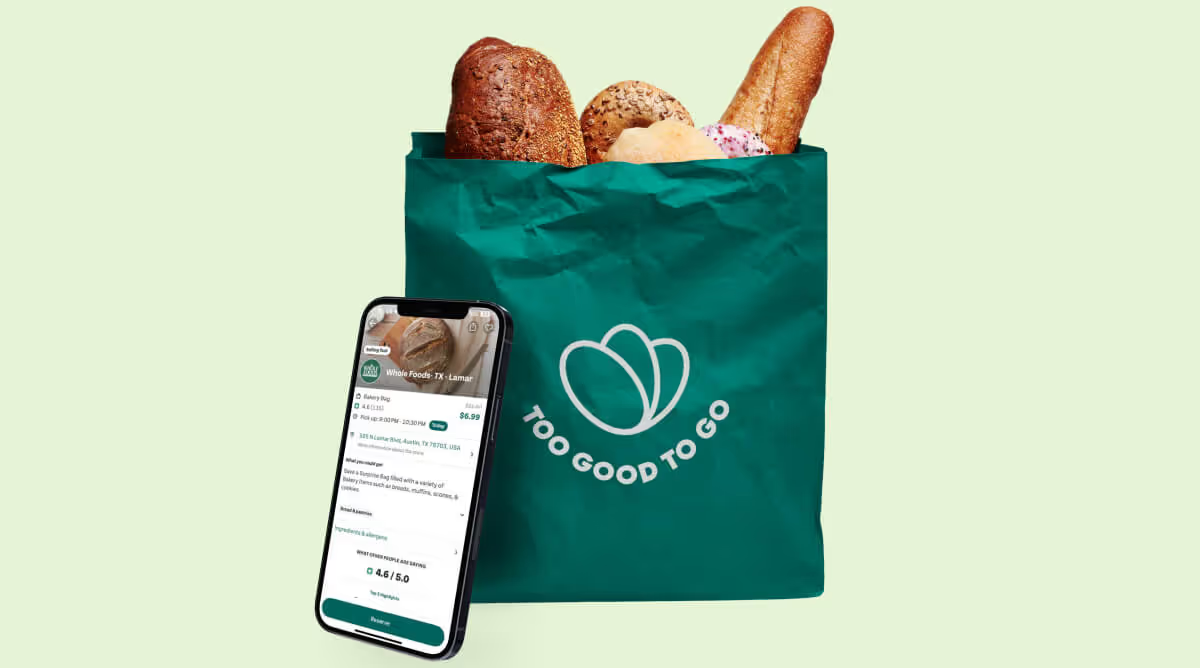
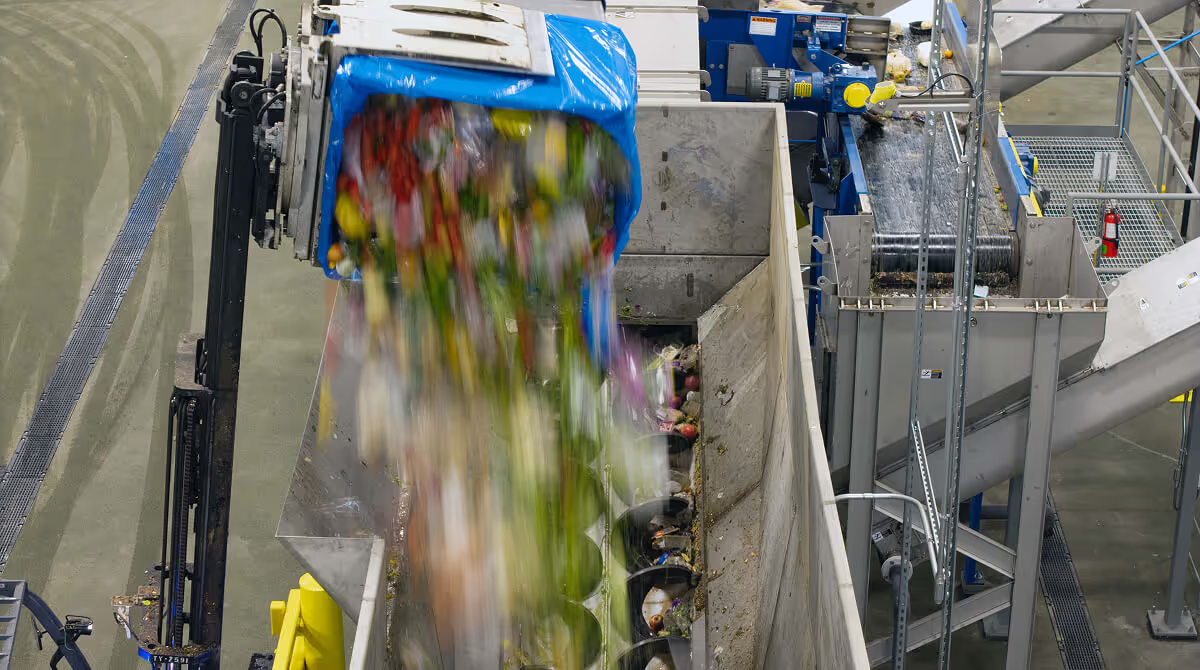
Reducing our Food Waste
Reducing waste through donation, discounting and diversion.
Learn more

A Collective Investment in Agriculture's Future
Through the Next Generation Farmer Fund, Whole Foods Market is inviting mission-driven brands and food-system stakeholders to help support the next generation of agriculture by supporting emerging farmers with grants that help strengthen agriculture and grow the future of food.
Whole Foods Market will match contributions dollar for dollar up to $500,000 with the goal of catalyzing $1 million in collective investment.
Get in touch
to learn about other meaningful ways to contribute.






Additional Ways to Participate
If your organization isn’t in a position to commit funding at this time, there are still meaningful ways to contribute.
- Source ingredients from participating farms
- Amplify impact through joint storytelling
- Offer technical expertise to support farmer traditions
Let’s build this movement together, from every angle. Reach out to
connect@madagriculture.org
to get connected.